The Halal industry in Tanzania is expanding rapidly, driven by rising demand for Shariah-compliant products and services. With a growing and economically active Muslim population, Halal-certified products have become essential for both religious compliance and commercial viability, particularly in export markets. The global Halal food and beverage market is estimated at around USD 2.72 trillion in 2025, and is projected to grow to about USD 5.44 trillion by 2034, at a compound annual growth rate (CAGR) of ~8%.
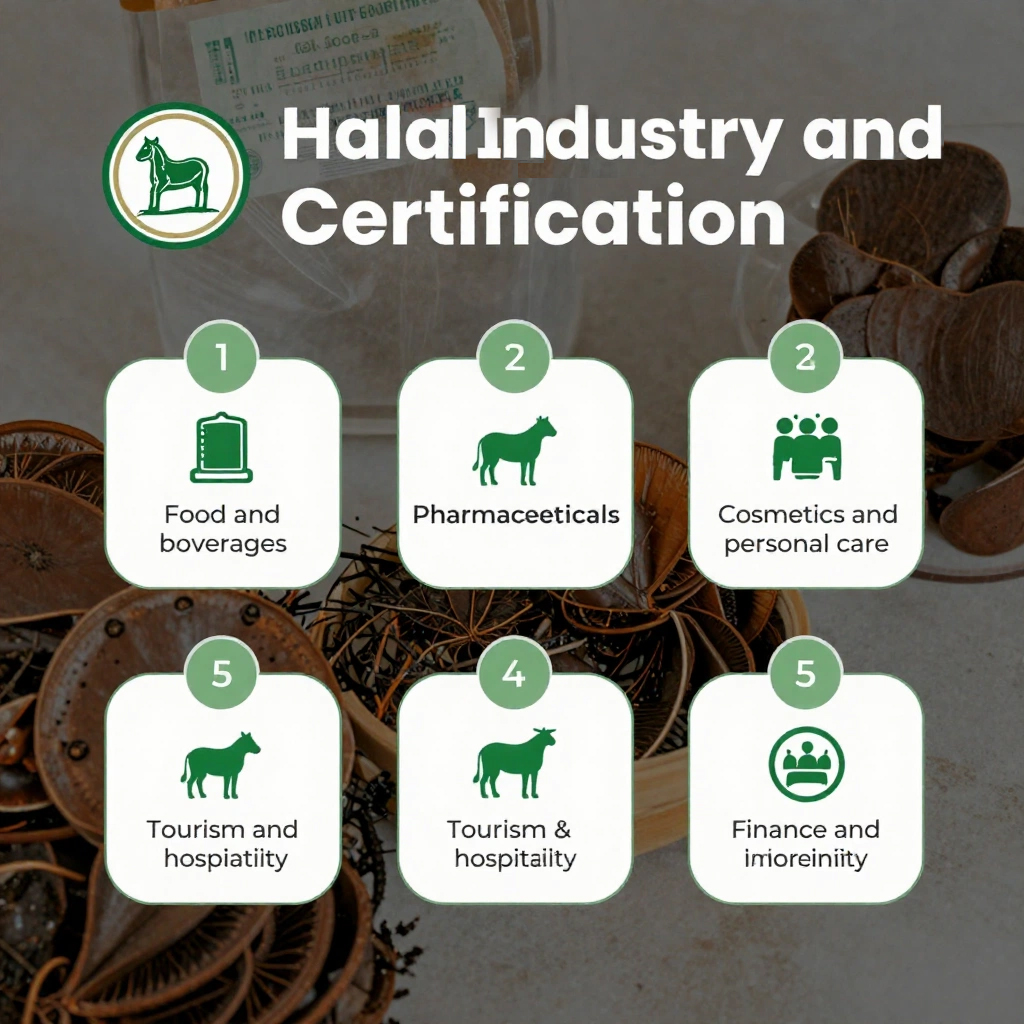
The Halal economy spans multiple sectors, including:
- Food and beverages
- Pharmaceuticals
- Cosmetics and personal care
- Tourism and hospitality
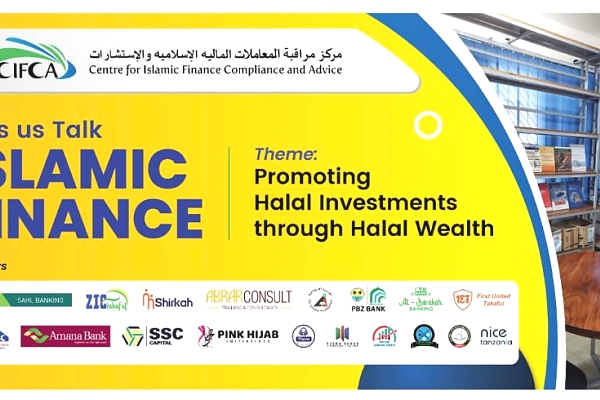
- Finance and banking
This growth has created a strong ecosystem for Halal certification, ensuring product authenticity, integrity, and compliance with Islamic principles.
Key Halal Certification Players in Tanzania:
- MICO International Halal Bureau (MIHB): Operates under BAKWATA, certifying food, beverages, and other products; oversees slaughterhouses and processing facilities; organizes awareness campaigns, business summits, and certification training
- BAKWATA: The national Islamic authority endorsing Halal certification, providing legitimacy to products and supporting local producers in adhering to global Halal
The growing Halal market in Tanzania reflects both domestic demand and opportunities in international markets, positioning the country as an emerging hub for Shariah-compliant products in East Africa.