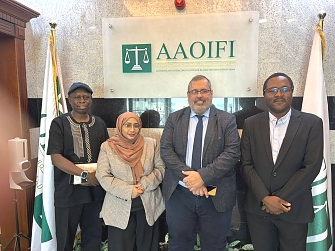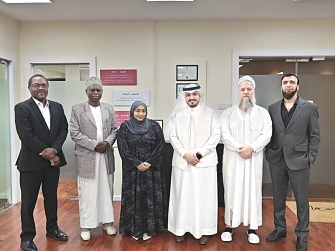

CIFCA Delegate:
- Salum Lupande - CIFCA
- Beatus Rwegalulira - BoT
- Zuwena Soud - BoT
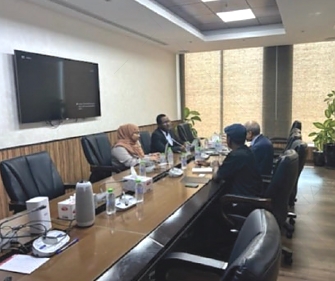
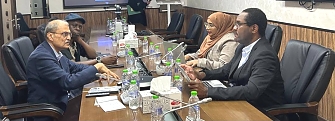
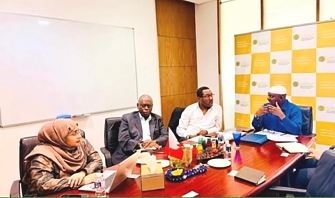
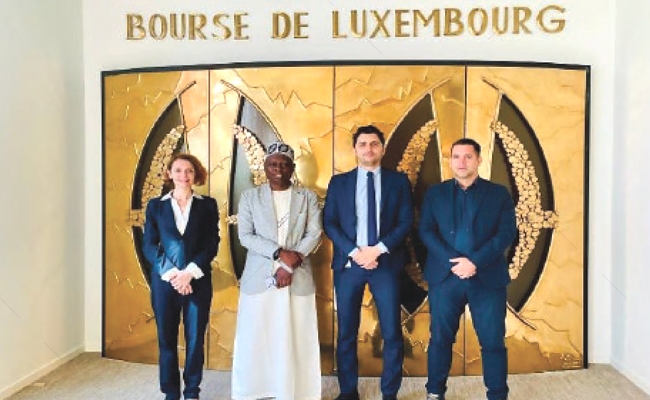
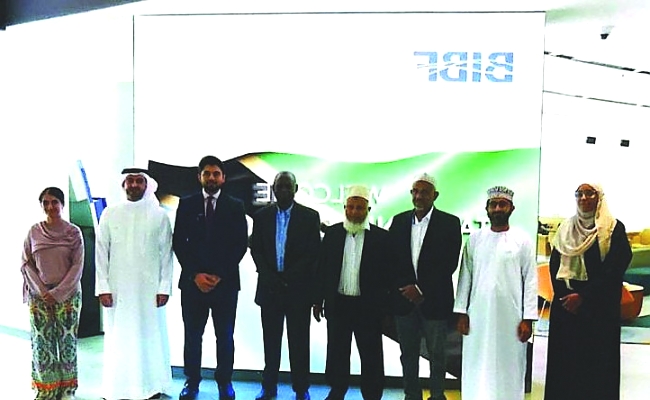
As part of Tanzania's strategic efforts to strengthen the Islamic Finance ecosystem, CIFCA joined the Bank of Tanzania (BoT)'s official mission to the Kingdom of Bahrain one of the most advanced global hubs for Islamic finance. This visit focused on regulatory issues related to the Islamic Finance and was conducted in three integrated phases:
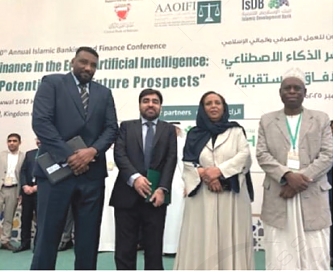
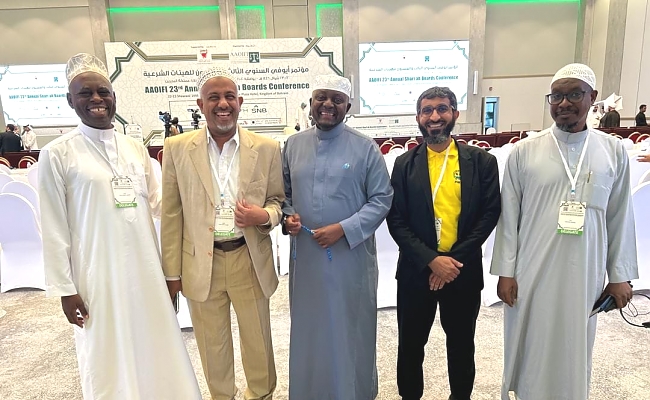
Participation in Global Policy Dialogue: The delegation attended the 20th Annual Islamic Finance Conference jointly organized by AAOM and Islamic Development Bank (IsDB). The conference focused on emerging global trends, particularly:
- Digital transformation (AI in Islamic finance);
- Governance, ethics, and Maqasid al-Shariah; and
- Financial inclusion and MSME financing.
Capacity Building Engagement:
The delegation participated in the AAOIFI Capacity Building Week (CBW) delivered in collaboration with Bahrain Institute of Banking and Finance. This phase focused on:
- Practical implementation of AAOIFI standards;
- Strengthening local expertise;
- Regulatory, accounting, and Shariah governance frameworks; and Enhancing technical competency of regulators and practitioners.
Islamic Finance Ecosystem Study Tour:
A structured institutional tour was undertaken across key Islamic finance ecosystem players including:
- International Islamic Rating Agency
- International Islamic Financial Market
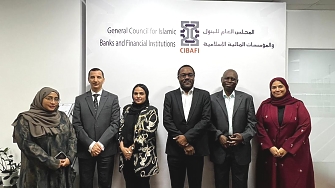
- General Council for Islamic Banks and Financial Institutions
- Central Bank of Bahrain
- A1 Baraka Banking Group
- Shariah Review Bureau
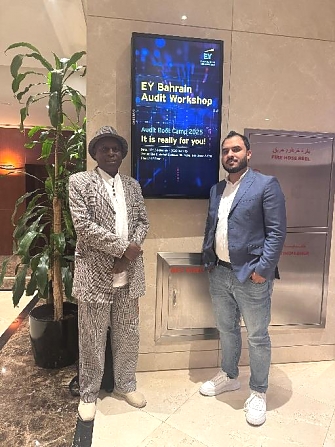
- Ernst & Young
- Citibank
These engagements were structured to provide end-to-end exposure to the Islamic finance value chain
Key Objective:
The overarching objective of the mission was to strengthen Tanzania’s Islamic finance ecosystem by benchmarking global best practices and translating them into regulatory, institutional, and market development frameworks.
Specifically, the visit aimed to:
- Enhance regulatory clarity and frameworks for non-interest banking;
- Strengthen Shariah governance, audit, and compliance systems;
- Build technical capacity of regulators and practitioners;
- Promote Islamic capital markets (including sukuk);
- Facilitate institutional partnerships and global integration; and
- Ensure market players operate in a conducive, well-regulated environment.
Specific Objectives & Outcomes
Objective 1: Strengthening Regulatory and Supervisory Frameworks
Engagements:
- Central Bank of Bahrain
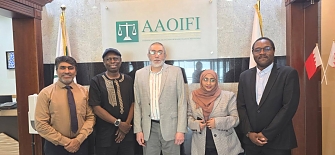
- AAOIFI
- Shariah Reviews Bureau
Commitment by AAOIFI to:
- Support Tanzania in adopting AAOIFI standards framework and Translation of AAOIFI standards into Kiswahili
- Participation in Tanzania Islamic Finance Forum (Jan 2026)
- Continued collaboration with CIFCA
- Review draft BoT Islamic finance regulatory guidelines
- Insights into Bahrain’s dual regulatory model (conventional + Islamic)
- Exposure to Shariah governance integration within central banking systems
- Benchmarking of Shariah audit (internal & external) frameworks
Implication for Tanzania / CIFCA
- Provides foundation for BoT Supervisory Guidance Notes (SGN)
- Strengthens CIFCA's role as Shariah compliance and advisory partner
Objective 2: Enhancing Shariah Governance and Compliance
Engagements:
- Shariah Review Bureau AAOIFI
- E&Y (Auditing Firm)
Outcomes:
- Clear distinction and structuring of:
- Shariah review
- Shariah audit
- Shariah advisory
- Adoption of independent external Shariah audit models
- Identification of need for certified Shariah auditors in Tanzania
- Strengthened collaboration between audit firms and Shariah advisorst Implication:
- Aligns with CIFCA’s mandate in:
- Shariah assurance
Capacity building
Development of national Shariah governance frameworks
Objective 3: Developing Islamic Capital Markets
Engagements:
- International Islamic Financial Markets (IIFM)
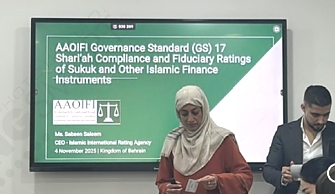
- International Islamic Rating Agency (IIRA)
Outcomes:
- IIRA expressed interest to:
- Establish presence or partnership in Tanzania
- Conduct market feasibility assessment (Jan mission planned)
Understanding of:
- Sukuk structuring standards
- Secondary market development
- Liquidity management tools.
Implication:
Direct support to:
- Zanzibar Sukuk initiatives
- Dar es Salaam Stock Exchange (DSE) Islamic listings
- Strengthens Tanzania’s position in Islamic capital market integration
- Zanzibar Sukuk initiatives
- Dar es Salaam Stock Exchange (DSE) Islamic listings
Objective 4: Capacity Building and Human Capital Development Engagements:
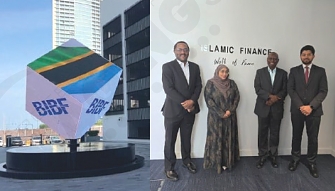
- Bahrain Institute of Banking and Finance (BIBF)
- General Council for Islamic Banking and Finance (CIBAFI)
- AAOIFI
Outcomes:
- Opportunities for:
- Training Tanzanian IFIs staff
- Collaboration with BoT academy
- Agreement to:
Continue AAOM-CIFCA capacity building collaboration Exposure to structured certification pathways
Objective 5: Industry Engagement and Practical Implementation Insight Engagements:
- A1 Baraka Banking Group
- Citibank Outcomes:
- Practical insights on:
- Implementation of Islamic banking regulations
- Product structuring and compliance
- Understanding operational challenges:
- Liquidity management
- Product standardization Implication:
- Guidance to BoT in designing practical, implementable regulations
- Supports CIFCA in advising market players
Final Reflection
This visit has clearly demonstrated that A well-regulated Islamic finance ecosystem requires strong alignment between regulation, Shariah governance, market infrastructure, and human capital development.
Through this mission, Tanzania supported by CIFCA is now better positioned in its efforts to:
- Build a credible, compliant, and globally integrated Islamic finance ecosystem;
- Ensure market players operate in a clear, predictable, and conducive regulatory environment; and
Leverage Islamic finance as a tool for inclusive and sustainable economic development